Late night transport is changing how Belfast works after dark. For a long time, people could come into the city for a concert or an event, but they could not always get home easily or safely. For the entertainment side of ICC Belfast, Waterfront Hall and Ulster Hall, late night transport is not a nice extra, it is a critical part of how a city supports live events.
The scale of the nighttime economy is often underestimated. It is worth 3.7 billion pounds across Northern Ireland, with 800 million of that in Belfast alone. For our venues, that translates into audiences in seats, artists on stage and a city centre that feels alive after dark.
This is not a new conversation. Research by Waterfront Hall and Ulster Hall in 2019 and 2020 highlighted the economic impact of live entertainment and helped start the discussion about what Belfast needed to thrive after dark, including the role late night transport plays for audiences and venue programming.
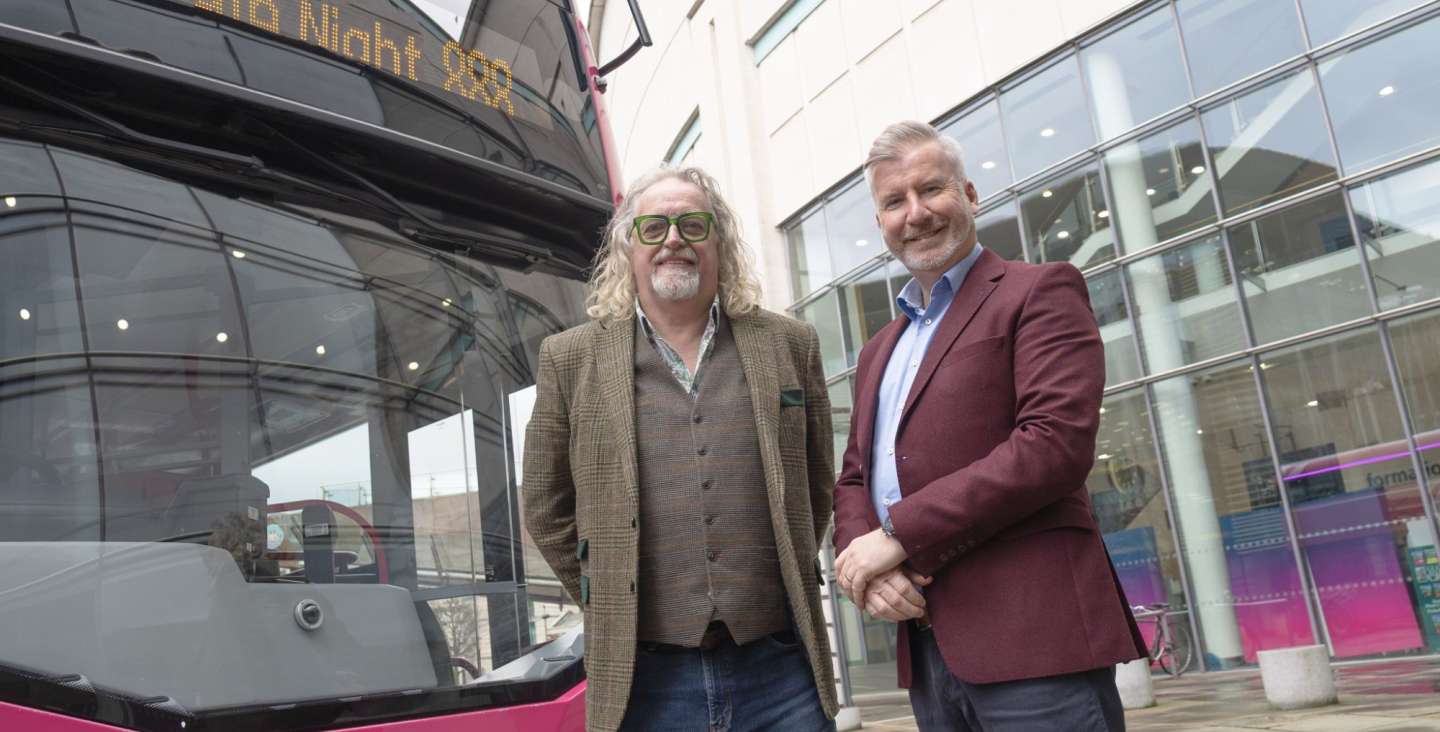
The yearlong late-night transport pilot is not a festive add on or a short-term solution. It is about how Belfast operates after dark throughout the year. Over the Christmas period, late Metro routes, additional Ulsterbus services and later train services were in place and, crucially, there were no reported incidents.
The data now backs that up. Translink recorded around 30,000 late night journeys across Northern Ireland over the festive period, an increase of more than 70 percent on Christmas 2024. When the service is there, people use it. This pilot will now run Friday and Saturday throughout 2026, giving us an opportunity to embed late night transport as part of how the city works. But it also comes with a clear message. Use it or lose it.
This is where the venues feel the difference. ICC Belfast, Waterfront Hall and Ulster Hall are anchors in the city’s life. Concerts, conferences, comedy shows and performances rarely finish early, and without reliable late night transport people leave before the end, staff worry about how they will get home and audiences think twice about attending. With late night services in place, people stay longer, venues can programme more confidently and the experience improves.
One misconception is that late night transport exists only for people socialising. The nighttime economy runs from 6pm to 6am and includes the ecosystem that supports live entertainment, from performers and production crews to front of house teams and technical staff. They are working while others enjoy the show, and they need a reliable way home too.
Looking ahead, this is not a short-term project. The priority now is to make Friday and Saturday night services work well and build habits. If the data continues to show demand, there is no reason why this could expand over time. But it will only happen if people use the services that are there. Use it or lose it. If Belfast wants to compete with European cities, it must start thinking and operating like a 24-hour city, not a nine to five one.